

On the first anniversary of its founding, the Da Nang Special Economic Zone Authority (DSEZA) awarded investment decisions for three new functional zones within the Da Nang Free Trade Zone. Zones 2, 3, and 4 cover a combined area of approximately 910 hectares and represent total committed investment of over 15,025 billion VND, approximately $590 million.
Zone 2 (75 hectares, Hai Van area) goes to Saigon–Da Nang Investment JSC with capital of over 1,568 billion VND. Zone 3 (500 hectares, Hai Van area) - the largest single allocation to date - goes to Phuong Trang Investment JSC with capital exceeding 8,119 billion VND. Zone 4 (335 hectares, Ba Na area) goes to Thanh Binh Phu My JSC with capital of 5,338 billion VND. Zone 5 (90 hectares, Ba Na area) was awarded to Sun Group in August 2025. Combined, four of the FTZ's seven functional zones now have committed investors, covering 1,000 hectares with total capital exceeding 15,800 billion VND.
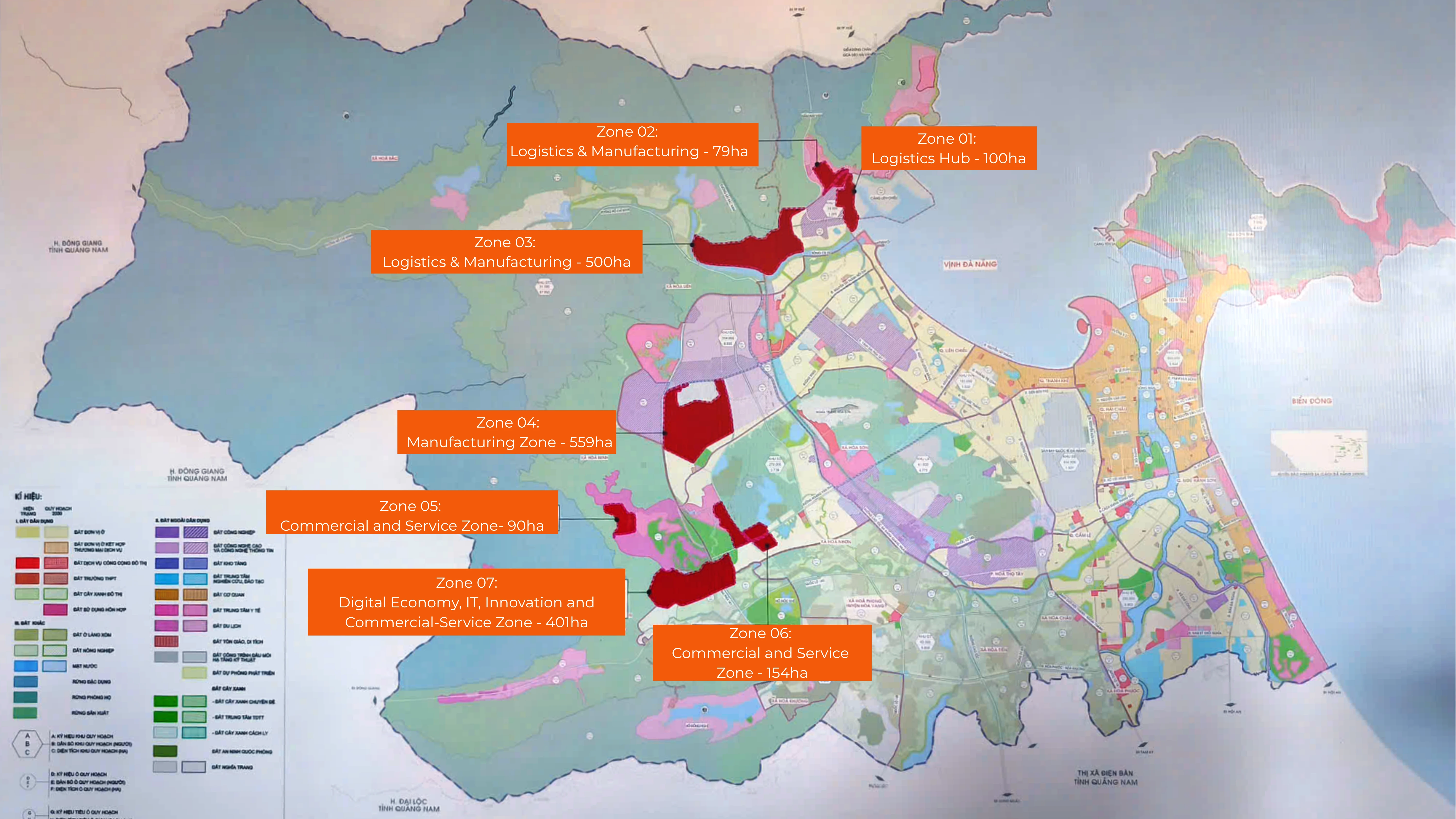
Da Nang FTZ Location
Established on June 13, 2025 under Resolution 136/2024/QH15, Da Nang FTZ spans seven functional zones across three geographic clusters: the Hai Van area to the north, the Ba Na Hills area inland, and the Lien Chieu Port area. The design integrates port infrastructure, manufacturing, industrial support services, logistics, and high-value commercial functions within a single free trade framework - operating under preferential corporate income tax rates, streamlined customs procedures, and a special administrative model designed to accelerate FDI processing.
Da Nang's geographic position gives the FTZ a rationale that distinguishes it from the northern and southern industrial corridors. The city sits at the midpoint of the East–West Economic Corridor (EWEC), the trans-boundary trade route connecting Vietnam's central coast with Laos, Thailand, and Myanmar through Highway 9 and the Greater Mekong Subregion network. For companies building regional supply chains across mainland Southeast Asia, Da Nang offers a port gateway that Hanoi and Ho Chi Minh City cannot replicate.
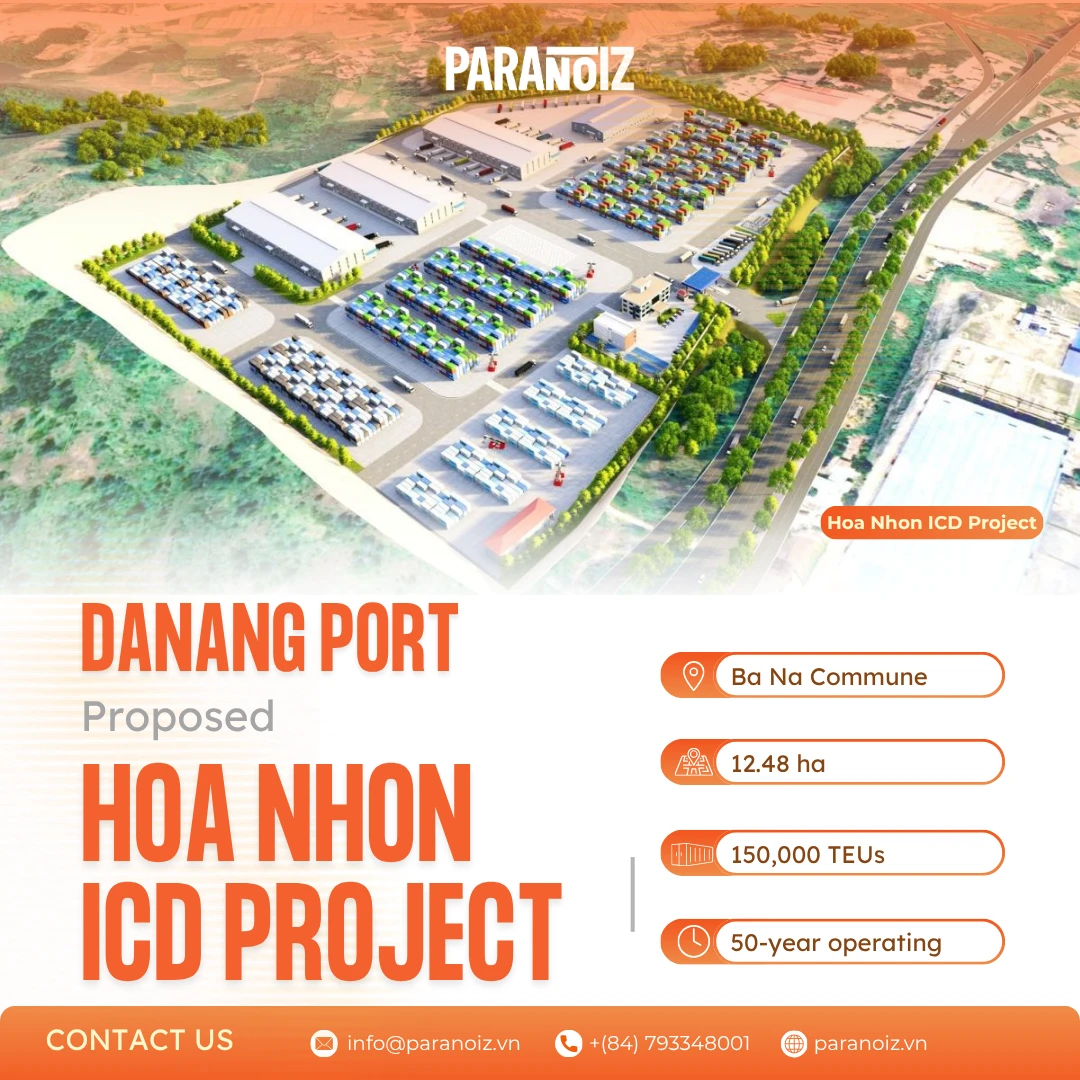
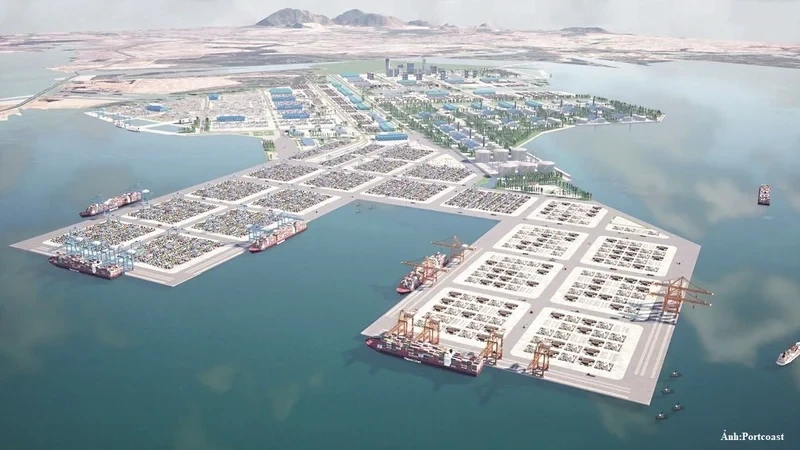
Zones 6 and 7 remain unassigned, as does Zone 1 - the functional zone directly linked to Lien Chieu Port, Da Nang's new deep-water port currently under construction with total Phase 1 investment of approximately $132 million. Lien Chieu is designed to handle vessel classes that Tien Sa Port, Da Nang's existing facility, cannot accommodate. It will serve as the maritime anchor for the FTZ's logistics and transshipment functions.
Zone 1's availability is significant for a specific category of investor: port-adjacent FTZ zones combining bonded warehousing, transshipment, and value-added logistics services tend to attract regional distribution operators, cold chain providers, and third-party logistics companies with cross-border mandates. The combination of EWEC road connectivity and deep-water port access makes Zone 1 structurally different from the landlocked industrial zones that dominate Vietnam's established FDI corridors. For investors evaluating distribution or logistics infrastructure in central Vietnam, the zone represents early-stage positioning ahead of Lien Chieu's operational launch - with three functional zones still available and the FTZ's preferential framework fully in place.


Vstream is a research-led media platform delivering in-depth analysis and decision-focused insights on Vietnam. Access full reports and exclusive insights curated for serious decision-makers.
Go to Vstream