

Vietjet and Thailand's Eastern Economic Corridor Office (EECO) signed a cooperation agreement to develop an aviation technical center at U-Tapao International Airport, located in Thailand's Eastern Economic Corridor - one of Southeast Asia's most strategically positioned special economic zones. The agreement was signed during Vietnamese General Secretary To Lam's official state visit to Bangkok, with Thai Prime Minister Anutin Charnvirakul present as witness.
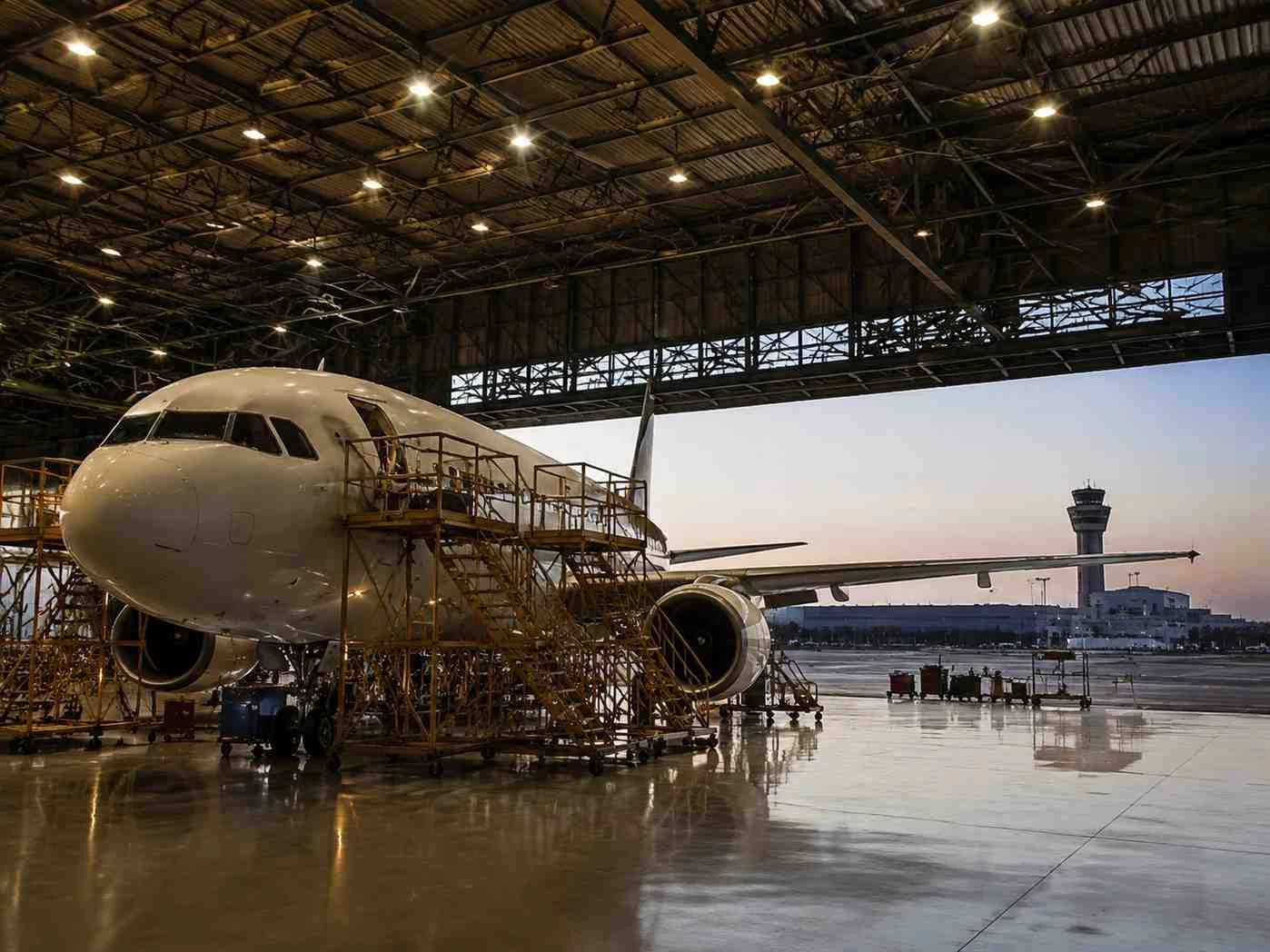
The center will strengthen Vietjet's fleet readiness and reduce aircraft turnaround time, while enabling technology transfer, workforce development, and deeper aviation connectivity between Vietnam and Thailand. Since its Thai operations launched, Vietjet Thailand has carried 50 million passengers, making it one of the more established low-cost carriers operating within the ASEAN corridor.
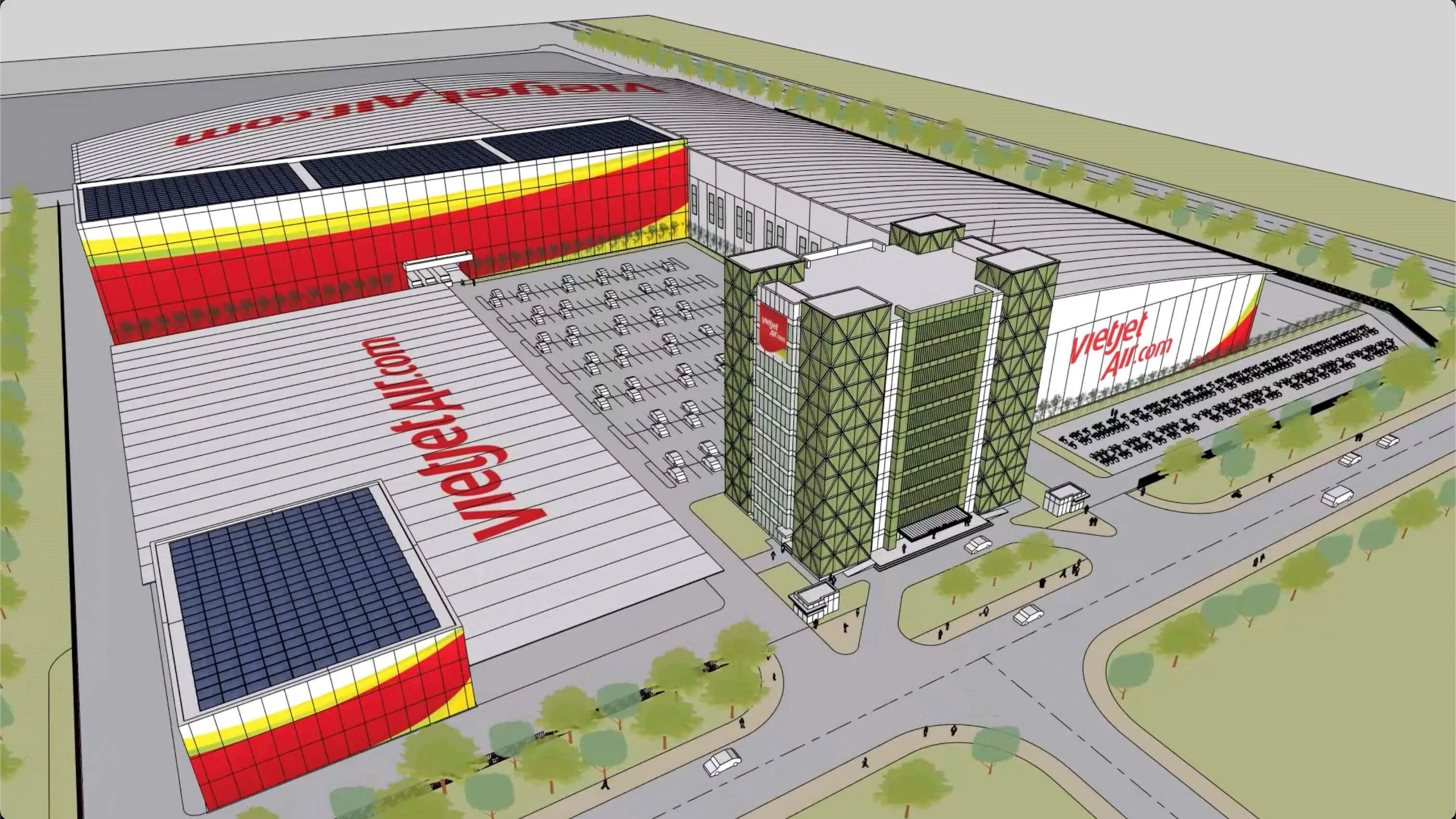
The U-Tapao agreement does not stand alone. In August 2025, Vietjet broke ground on a $100 million MRO facility at Long Thanh International Airport, Vietnam's largest airport currently approaching commercial launch. The facility spans 8.4 hectares, comprises two hangars capable of servicing 10 aircraft simultaneously, and is designed and supervised by Mace (UK) and Apave (France) to international standards. Beyond supporting Vietjet's own expanding fleet, the Long Thanh facility is positioned to provide third-party maintenance services to both domestic and international carriers - establishing a commercial MRO revenue stream alongside the airline's core operations.
Vietnam Airlines is moving in the same direction. Its engineering subsidiary VAECO is in discussions with Korean Air to explore an MRO joint venture at Long Thanh, suggesting the airport is emerging as a cluster for aviation technical services rather than a single-operator facility.
Vietnam's commercial fleet has grown to 215 aircraft, with the sector expanding on the back of rising middle-class travel demand, new international routes, and Long Thanh's imminent launch as the country's primary long-haul gateway. Currently, the majority of heavy maintenance work is sent overseas - to Singapore, Malaysia, and China - at significant cost to Vietnamese carriers. The combination of Long Thanh's emerging MRO cluster and Vietjet's regional expansion at U-Tapao represents a structural effort to build that technical capability closer to home. For investors evaluating Vietnam's aviation ecosystem, the infrastructure investment cycle now underway - airports, MRO capacity, and regional partnerships - suggests the technical foundation is beginning to match the country's passenger growth ambitions.


Vstream is a research-led media platform delivering in-depth analysis and decision-focused insights on Vietnam. Access full reports and exclusive insights curated for serious decision-makers.
Go to Vstream